Pint Picks: 5 Non-Alcoholic Beers That Actually Taste Like Beer
Five non-alcoholic beers ranked on flavor, body and sessionability, plus serving tips to get the most out...

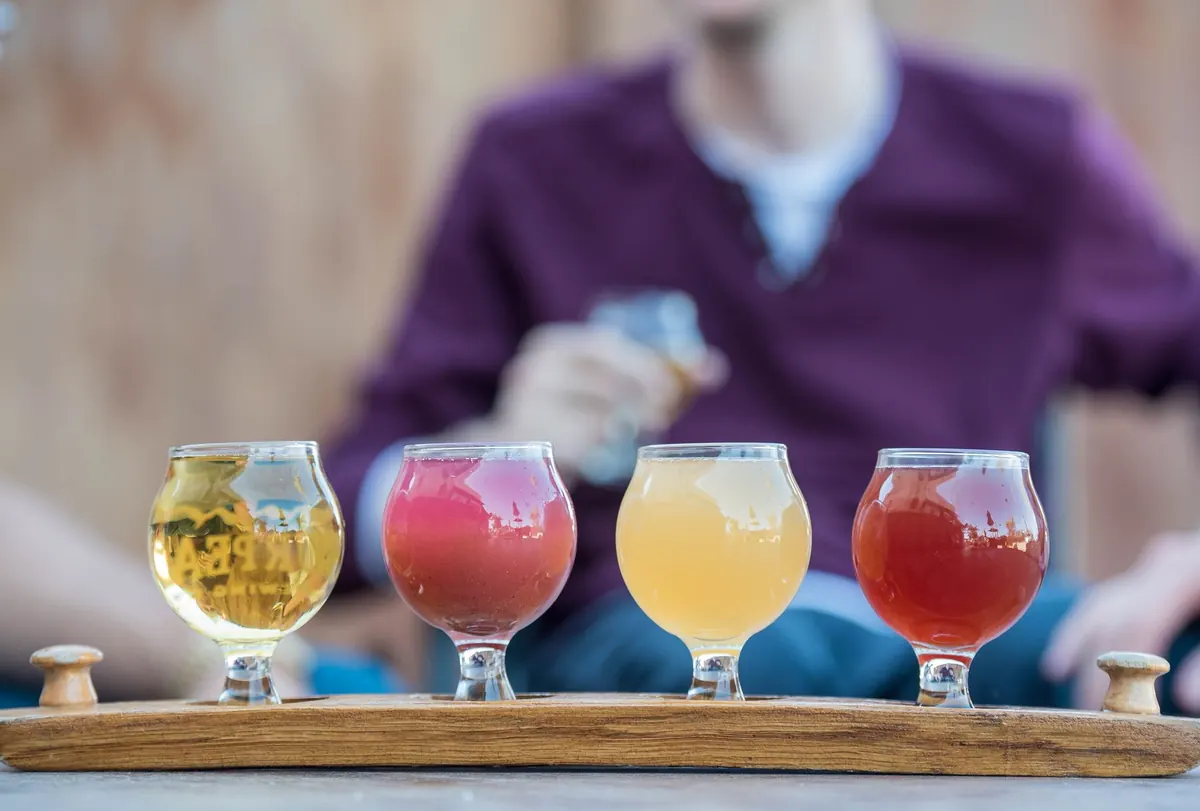
You do not need a certificate or a wall of app badges to call yourself a beer geek. You need curiosity, a clean glass, and a willingness to try beers that do not taste like the last one. This checklist covers twelve styles that teach the building blocks of beer: malt, hops, yeast, water, and time. Work through them at your own pace. Some will click immediately; others may take a few tries. That is the point.
Think of each style as a lesson with a flavor attached to it. A pilsner teaches you what clean fermentation tastes like. A hefeweizen shows what yeast can do with almost no help from hops. A dry stout explains roast in a single sip. Once you have tasted the extremes, the middle of the beer aisle stops being a blur of brown liquid and starts making sense.
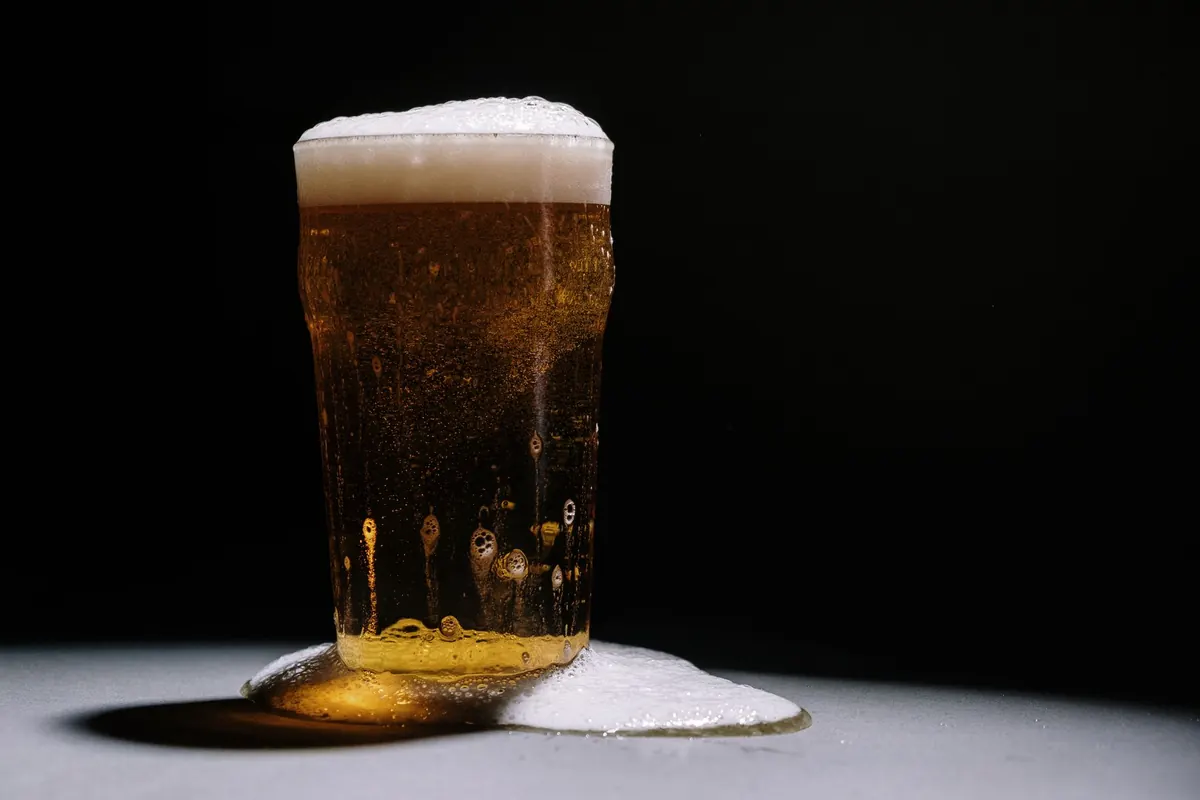
Start with a clean, aroma-friendly glass. A tulip or a simple pint glass works. Let the beer warm for a few minutes if it has been in the fridge. Cold mutes aroma. Take a short sniff, then a small sip. Notice the first impression, the middle, and the finish. You do not need to identify every compound. One word for aroma, one for taste, and one for finish is enough.
Keep notes short enough that you will actually read them again. "Lemon peel, crisp, dry" will tell you more in six months than three paragraphs of adjectives copied off the label.
Rinse your glass with cold water before pouring, and skip the soapy dish towel. Detergent residue kills foam and flattens aroma faster than anything else in your kitchen. If you are tasting several beers, pour small — three or four ounces is plenty — and drink water between them.
The order below runs roughly from light and delicate to dark and assertive. You can jump around, but following it means each beer prepares your palate for the next one.
Your baseline. Pale, crisp, and bitter in a clean, herbal way, with a dry finish that makes you want another sip. Saaz and Hallertau hops give it that grassy, spicy edge. If a pilsner tastes flat or sweet to you, the brewery cut corners — this style hides nothing.
The gentle cousin of pilsner. Bready, soft, and malt-forward with just enough bitterness to stay refreshing. Tasting these two side by side is the fastest way to understand the difference between hop-led and malt-led balance.
Amber, toasty, and slightly sweet, with a flavor often described as crusty bread or toasted crackers. This is the family that gave us Oktoberfest beer. It teaches you what malt can do beyond simple sweetness.
Cloudy, pale, and bursting with banana and clove that come entirely from yeast. Pour most of the bottle, swirl the last inch to lift the sediment, and add it back. Now you know exactly what fermentation character tastes like.
Another wheat beer, but this one is spiced with coriander and orange peel and fermented with Belgian yeast. Lighter and more citrusy than a hefeweizen, with a tart edge. Great warm-weather proof that beer does not need hops to be interesting.
Top-fermented like an ale, then cold-conditioned like a lager. The result is delicate: soft pear and apple notes, a whisper of hops, and a clean finish. It is a genuine test of your palate, because there is nowhere to hide.
Rustic, highly carbonated, and dry, with peppery, herbal notes from yeast that was historically brewed warm and then left to its own devices. Some versions add fruit or Brettanomyces. Drink one and you will understand why "farmhouse" is a flavor, not just a marketing word.
Served cool rather than cold, lightly carbonated, and balanced between caramel malt and earthy, floral hops. At around four percent alcohol, it is a masterclass in restraint. If you only drink big beers, this one will recalibrate you.
The style that launched a thousand breweries. Citrus and pine from American hops, a clean malt backbone, and a bitterness that is present but not punishing. This is the gateway beer for most people, and there is no shame in that.
Drier, bitterer, and more aggressive than a pale ale, with grapefruit, pine resin, and a finish that scrubs your tongue clean. The lack of sweetness is the whole point. Compare it to a hazy IPA to see how much malt and yeast can change the same hop bill.
Dark brown, moderate strength, and full of chocolate, coffee, and toffee from roasted malt. Softer and less bitter than a stout. Porter is where many drinkers discover that dark beer is not automatically heavy.
Roasted barley gives it a sharp coffee-and-cocoa bite with almost no sweetness, and the low alcohol keeps it sessionable. The nitrogen pour makes it creamy, but the flavor underneath is lean and dry. Finish here and you have covered the full arc from pale and bitter to dark and roasty.
Once the twelve are behind you, these will stretch your palate further:
Twelve styles is a small map of a very large country. You do not have to love all of them, and you probably will not. The goal is to know why you do not love one — to say "too much clove for me" instead of "I do not like wheat beer." That is the difference between drinking beer and understanding it, and it is the only credential that matters.
Keep your notes somewhere you will actually find them. Order the same style from three different breweries in the same month. Then order one you think you dislike and see if you were right. Curiosity, a clean glass, and a willingness to be surprised — that is the whole checklist.
Photo: ELEVATE / Pexels
Five non-alcoholic beers ranked on flavor, body and sessionability, plus serving tips to get the most out...
Seven affordable, food-friendly lagers built for hot afternoons, plus pairing notes and serving tips so...
A look at the summer's best beer festivals and taproom events, the pours worth seeking out, and how to...