The Craft Beer Beginner's Checklist: 12 Styles to Try Before You Call Yourself a Beer Geek
A practical checklist of 12 essential beer styles, with tasting cues and classic examples, plus simple...

You can drink a hundred beers and still struggle to say why one was better than the other. The vocabulary isn't the hard part. The habit is. Cicerones, the beer world's answer to sommeliers, aren't tasting anything your tongue can't taste. They simply move through the same five checkpoints in the same order every time: appearance, aroma, flavor, mouthfeel, finish. Run that sequence at your own kitchen table and the beers you already like will start making sense.
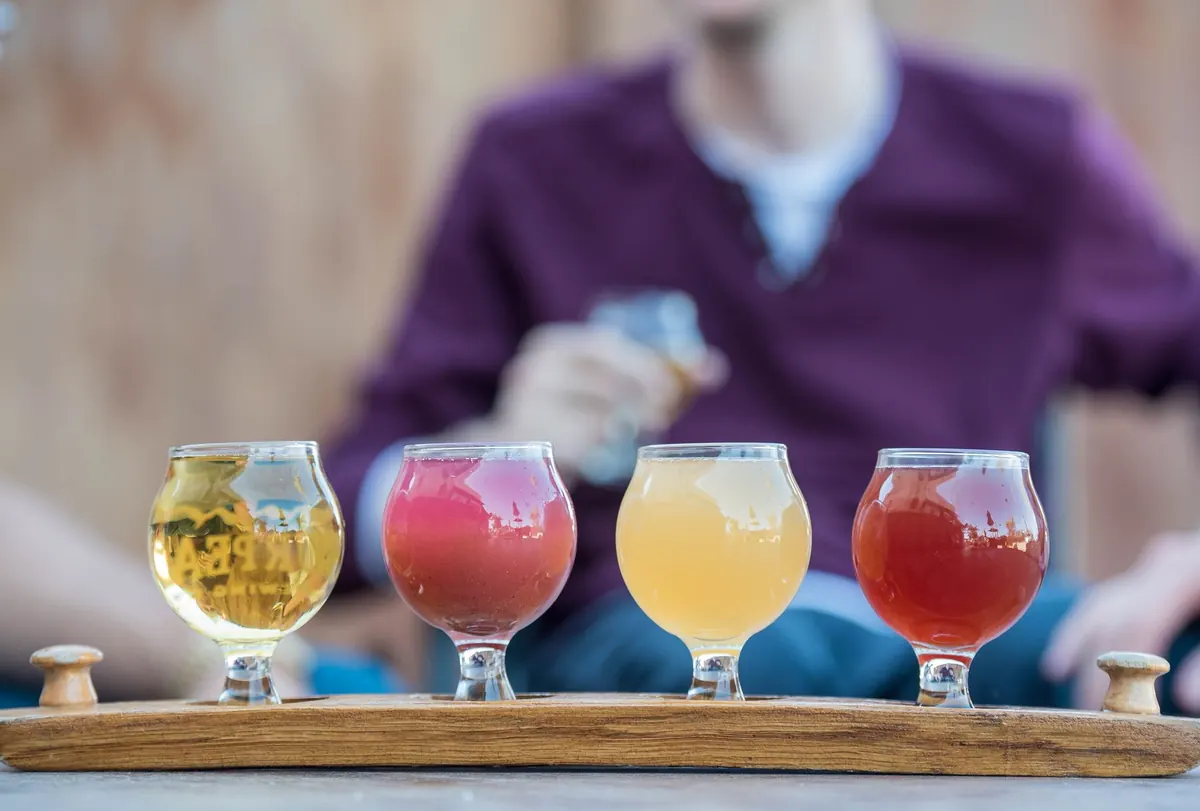
The glass does a lot of work. A straight pint shaker is fine for drinking and poor for tasting, because it lets aroma escape upward rather than concentrating it. A tulip, a snifter, or any stemmed glass that narrows toward the rim will hold those aromas where your nose can reach them. A wine glass works if that's what you have.
Temperature matters just as much. Many beers are served colder than they should be, which mutes malt and hops alike. Pull a lager from the fridge and let it sit five minutes. Serve stouts, porters, and strong ales closer to cellar temperature, around 50 to 55°F, so the roast and caramel can actually show up.
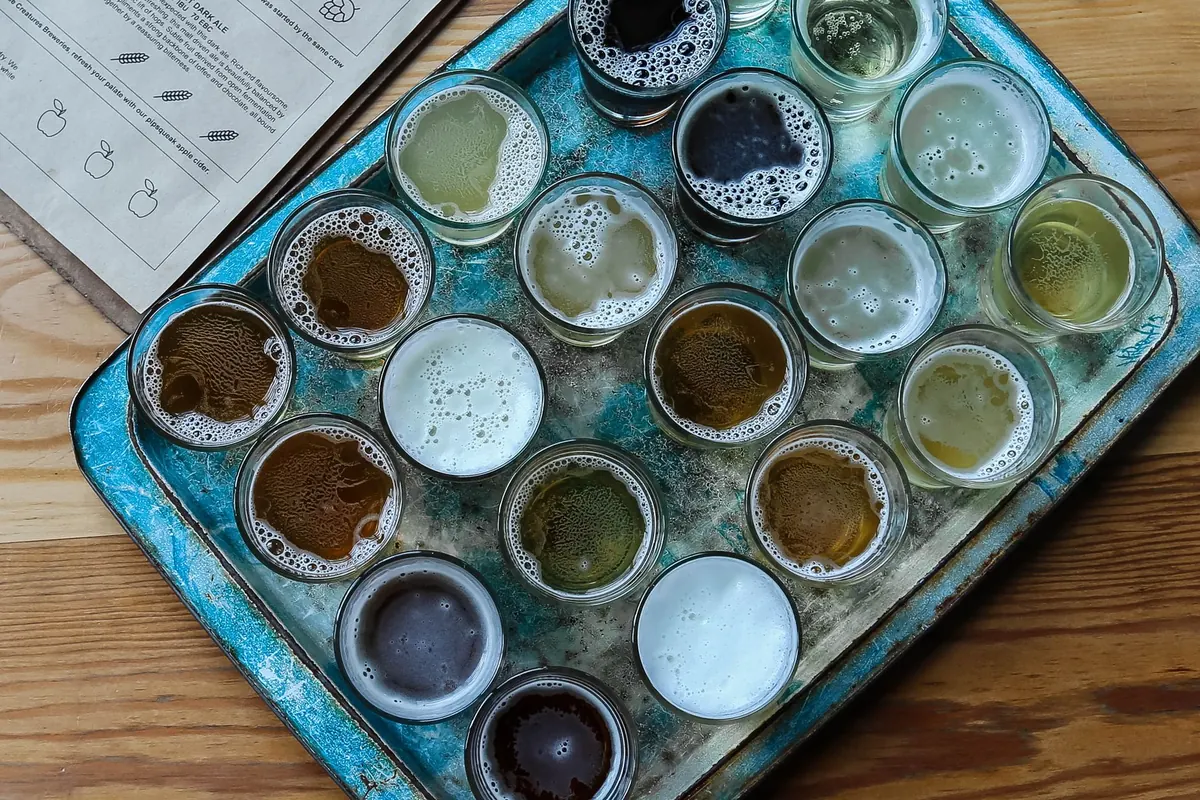
Pour three or four ounces at a time. You are tasting, not drinking. Keep water and plain crackers or bread nearby to reset your palate, and avoid coffee, strong cheese, or anything spicy between pours. If you're working through several beers, go light to heavy. A double IPA will flatten a delicate pilsner that follows it, and you'll blame the pilsner.
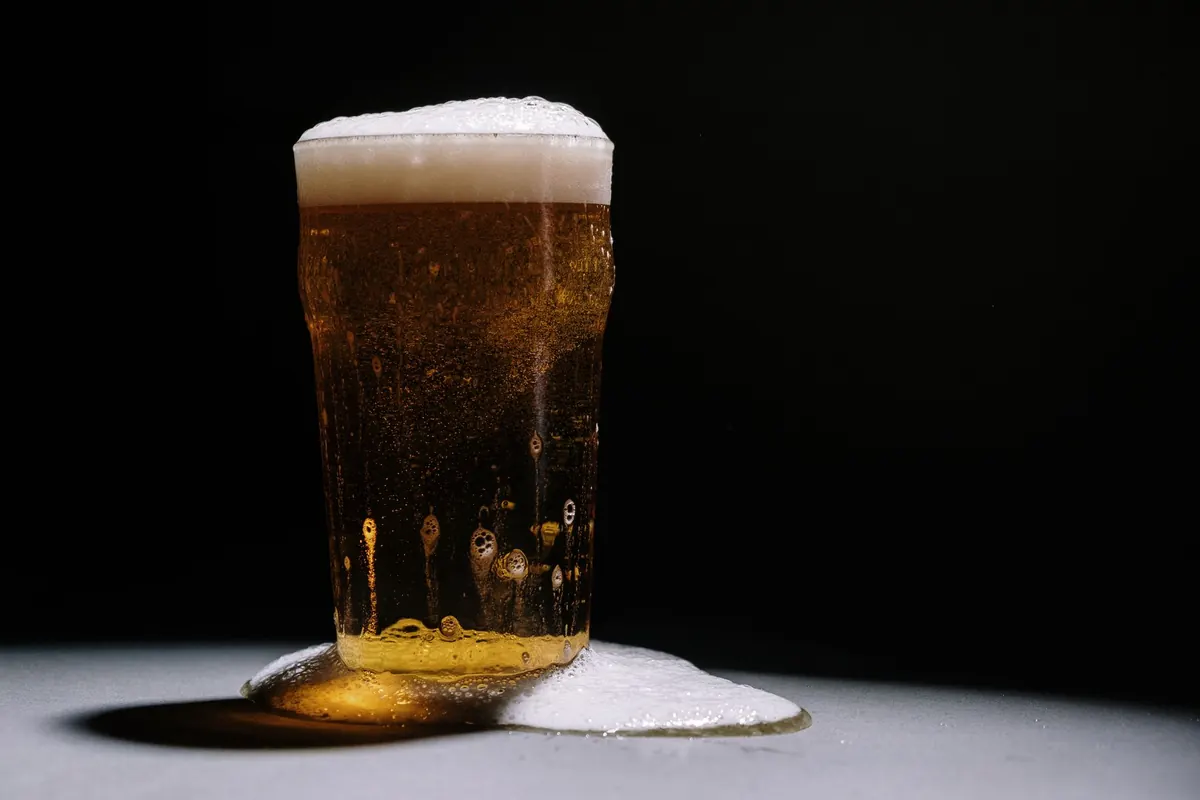
Tilt the glass against something white, a napkin or a sheet of paper, and look. Color runs from pale straw through gold, amber, copper, and brown to black, though many dark beers held to a light show ruby or garnet at the edges rather than true black. Note the clarity: bright and clear, hazy, or fully opaque. Then look at the head. How tall is it, how tight are the bubbles, and how long does it last? As you drink, check the lacing, the rings of foam left behind on the glass.
Appearance rarely predicts flavor, and that's fine. It costs you thirty seconds and frames everything that follows.
Swirl the glass gently to wake the beer up, then smell. Start with short sniffs rather than one long inhalation, because your nose fatigues quickly and the first impression is the most honest one. Hold the glass a few inches away, then bring it closer.
Run through the usual families:
It also helps to know a few flaws by name. Butterscotch or buttered popcorn means diacetyl. Green apple or pumpkin suggests acetaldehyde. Wet cardboard or sherry notes point to oxidation, and the skunky smell in a badly stored green bottle comes from light striking hops. Naming these doesn't make you a snob; it makes you a more accurate taster. Finally, cup your hands around the glass for a minute. Warm beer throws more aroma, and you'll catch things the cold was hiding.
Take a small sip and don't swallow immediately. Let the beer travel across your tongue, then breathe out slowly through your nose while it's still in your mouth. Most of what you call taste is actually aroma arriving from the back of your throat, which is why a beer can smell like grapefruit and taste like grapefruit without any grapefruit in it.
Work through three questions. What arrives first, the attack: sweet malt, bitterness, or a burst of carbonation? What happens in the middle, where bitterness and sweetness either balance or fight? And what lingers, because bitterness settles at the back of the tongue and stays there. Sharp, clean bitterness reads differently from a rough, harsh edge. Alcohol shows up as a gentle warmth in the chest, and that's welcome in a barleywine but suspicious in a standard-strength lager.
Try to name two or three things rather than twenty. A pilsner is cracker malt, herbal hops, clean fermentation. A milk stout is roast, chocolate, a little sweetness, low bitterness. That's a complete tasting note.
Body is the weight of the beer in your mouth: thin, medium, or full. Skim milk, whole milk, cream. Carbonation has texture too, creamy and fine in a nitro pour, sharp and prickly in a heavily gassed lager. Check for astringency, the drying, tea-like sensation that pulls at your cheeks, and for creaminess from oats or lactose. Two beers can taste nearly identical and feel completely different, which is why mouthfeel is often what separates a good beer from a great one.
Swallow and wait. Count the seconds. Does the flavor disappear, or does it stay and change? Bitterness that lingers for thirty seconds is normal in an IPA and a problem in a helles. Note whether the ending is dry or sweet, clean or muddled, and whether it makes you want another sip. The finish is where faults tend to hide, since it's the part you notice after you've stopped paying attention.
Score each category from 1 to 5 and add them up. Keep the notes short, one or two words per line, and write them before you form an opinion you can't back up.
If you're tasting with friends, this structure keeps the evening from turning into noise:
Taste one beer a week with the sheet in front of you. Better still, buy two of the same style from different breweries and taste them side by side, because comparison teaches faster than any single bottle. Keep a notebook, even a messy one. After a few months you'll stop saying "I like it" and start saying why, which is the entire point of tasting like a Cicerone.
Photo: Amanda Kevin / Pexels
A practical checklist of 12 essential beer styles, with tasting cues and classic examples, plus simple...
Five non-alcoholic beers ranked on flavor, body and sessionability, plus serving tips to get the most out...
Seven affordable, food-friendly lagers built for hot afternoons, plus pairing notes and serving tips so...