The Craft Beer Beginner's Checklist: 12 Styles to Try Before You Call Yourself a Beer Geek
A practical checklist of 12 essential beer styles, with tasting cues and classic examples, plus simple...

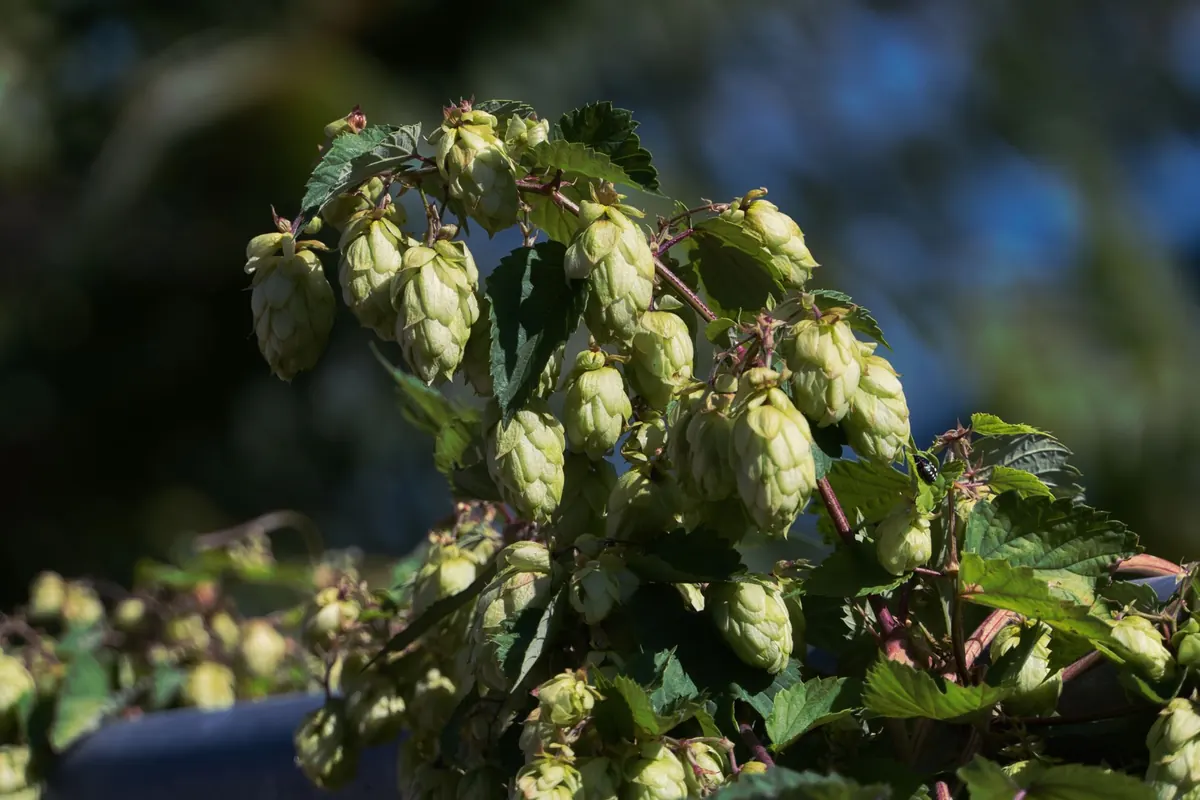
A hazy IPA lands in front of you, pale and opaque, and you take the first sip expecting the usual wall of mango and citrus. Instead there's a greener, sharper bitterness, a shorter finish, and something herbal sitting where the tropical fruit used to be. Your palate isn't broken. The beer changed, and part of the reason is that the crop that defines an IPA more than any other — hops — has become harder and more expensive to get.
The hop shortage isn't one dramatic event. It's a slow squeeze built from weather, planting decisions made years ago, and a shift in what drinkers want. Here's how it happened, what brewers are doing about it, and how to drink well while it plays out.
Hops are a perennial crop with a long lead time. A newly planted yard takes a few years to reach commercial yield, so growers decide how much to plant based on guesses about demand three and five years out. The craft boom pushed acreage up sharply. Then growth cooled, breweries closed or consolidated, and some growers pulled fields out or planted something with a steadier return. When demand firmed up again, there was no quick way to refill the pipeline.
Weather has done the rest. The main growing regions — the Pacific Northwest, Germany's Hallertau, Slovenia, the Czech Republic, the UK, Australia and New Zealand — have taken their turns with drought, heat spikes, hail and disease pressure. Heat and water stress don't just cut tonnage; they can lower alpha acid, the compound that carries bitterness. A brewer who planned around a certain alpha level has to use more of a weaker lot to hit the same target, or find another variety entirely.
Then there's the awkward part: the hops everyone wants are the hardest to grow. Aroma varieties — the fruity, citrusy, tropical ones that go into the dry hop — generally yield less per acre than the high-alpha workhorses bred for bittering. Demand for them is enormous and inflexible. If your flagship IPA needs that specific citrus-and-gooseberry character, a cheaper substitute isn't really a substitute. Meanwhile some high-alpha lots sit in warehouses, unloved, because brewers would rather pay for flavour than for pure bitterness. Contracts, not the spot market, now decide who gets the good stuff.
Inside the brewhouse, the response is mostly quiet engineering. Recipes that read like a settled document are being rewritten, sometimes twice a year.
The first thing most drinkers notice is a narrower aroma. Fewer dry-hop rounds and leaner rates mean the fruit sits closer to the surface instead of rising off the beer. Some IPAs taste more bitter than they used to, not because anyone wanted them bitterer, but because a larger share of the hopping happens earlier in the process, where it contributes bitterness rather than perfume.
The second thing is variability. If a brewery rotates lots, two cans of the same beer brewed three months apart can differ noticeably. That isn't sloppiness; it's what happens when a fixed recipe meets a variable crop. Session IPAs and hazy IPAs — styles where the hop bill does nearly all the work — show the change most clearly. Maltier, darker beers hide it well.
Not every change is a loss. Some brewers are leaning back into firm, clean bitterness, tighter lagers and old-school hop-forward styles that don't need a fistful of the priciest aroma varieties. A tight market has a way of rewarding the brewers who know exactly what each hop addition is doing.
Treat your hop bill as a blend spec rather than a fixed shopping list. Taste every new lot before it goes into a flagship, keep notes on alpha and aroma so you can adjust gram counts with confidence, and protect your dry hop for the beers where it actually shows. Clean fermentation and dialled-in water chemistry will do more for hop expression than one extra kilo of pellets.
Lock in supply earlier than feels comfortable, and price this year's beer for this year's ingredients rather than last year's. If you're renegotiating contracts, restructuring debt, or resetting prices across a taproom and a wholesale book, bring in your accountant or a specialist adviser. That's not a decision to make from a hop price list alone.
The IPA you love isn't disappearing. It's being edited. Expect more blending, more bitterness in some houses, softer aromatics in others, and prices that drift up rather than down. The practical response is straightforward: buy fresh, ask questions, and give a brewery credit for telling you what changed instead of hoping you wouldn't notice.
And if your favourite tastes a little different — leaner, more herbal, less of a fruit bomb — that's the crop talking. Give it a second pint before you write it off.
Photo: Joerg Hartmann / Pexels
A practical checklist of 12 essential beer styles, with tasting cues and classic examples, plus simple...
Five non-alcoholic beers ranked on flavor, body and sessionability, plus serving tips to get the most out...
Seven affordable, food-friendly lagers built for hot afternoons, plus pairing notes and serving tips so...